Hollywood Smile in Turkey: Cost, Treatments, Risks and Planning
Medically reviewed by Dr. Furkan Küçük · Last reviewed:

Hollywood Smile in Turkey: Cost, Treatments, Risks and Planning
A Hollywood Smile in Turkey is not a single standardized procedure, material, or fixed set of teeth. It is a patient-facing name for an individualized plan intended to improve the appearance of the smile. Depending on your diagnosis, that plan may involve whitening, composite bonding, orthodontics, veneers, crowns, gum treatment, replacement of missing teeth, or a combination of treatments.
At Dr. Furkan Küçük Dental Clinic, the current approved base prices for restorations commonly discussed in Hollywood Smile plans are:
| Treatment or service | Current base price |
|---|---|
| Veneer | £170 / $229 per tooth |
| E.max crown | £145 / $194 per tooth |
| Zirconium crown | £119 / $160 per tooth |
| Partner hotel | £47 / $63 per night |
For planning purposes, veneers plus seven partner-hotel nights would total:
| Number of veneers | Treatment and seven-night hotel total |
|---|---|
| 8 veneers | £1,689 / $2,270 |
| 16 veneers | £3,051 / $4,099 |
| 20 veneers | £3,732 / $5,014 |
These are arithmetic examples, not recommendations for how many teeth should be treated. Prices shown are base prices before discounts and special offers. Final pricing depends on your examination, the condition of each tooth, the selected material, preliminary treatment, laboratory stages, and the exact services included. Request a personalized written quotation and ask the clinic about current offers before making travel arrangements.
What Does “Hollywood Smile” Actually Mean?
“Hollywood Smile” is a marketing term rather than a dental diagnosis. It usually describes a brighter, more even smile, but it does not tell you which treatment is appropriate or how much healthy tooth structure might be changed.
Two people asking for a Hollywood Smile may need completely different plans. One may need only professional whitening and minor bonding. Another may benefit from orthodontic alignment before whitening. A third may have damaged or heavily restored teeth that require veneers, crowns, or replacement restorations. Someone with gum disease, decay, infection, or an unstable bite may need health treatment before elective cosmetic work begins.
A responsible plan should therefore start with three questions:
- What is causing the concern?
- What is the least invasive predictable way to improve it?
- What maintenance and future replacement may be required?
The goal should not be to place the largest possible number of bright restorations. It should be to create an acceptable appearance while protecting oral health, function, and as much sound tooth structure as reasonably possible.
Which Treatments May Be Part of a Hollywood Smile?
Professional Teeth Whitening
Whitening may be the most conservative starting point when the main concern is the color of suitable natural teeth. It can brighten natural tooth structure without covering it with a restoration.
Whitening does not change the color of existing veneers, crowns, implant restorations, or fillings in the same way. If visible restorations are also planned, the sequence matters. Whitening may be completed first so that the new restorations can be matched to the resulting shade.
The dentist should assess the cause of discoloration and the condition of the teeth and gums before treatment. Sensitivity or gum irritation may occur, and not all types of discoloration respond equally.
Composite Bonding
Composite bonding uses tooth-colored resin to change selected areas of shape, length, or contour. It may be useful for small chips, worn edges, minor spaces, or localized shape differences.
Bonding can often be performed with minimal tooth preparation in appropriate cases. It can also be adjusted or repaired more easily than many ceramic restorations. However, composite may stain, wear, lose polish, or chip over time. Large changes may look bulky or be unstable when the bite or tooth position is unfavorable.
Porcelain Veneers
A veneer is a custom restoration that primarily covers the front surface of a tooth and sometimes extends to the biting edge. Veneers may be considered for selected concerns involving color, shape, size, surface defects, wear, or minor position differences.
Some cases can be treated with minimal preparation, while others require more enamel removal to create space, mask color, or correct an unfavorable tooth position. “No-prep” is not suitable for every tooth. Adding material without enough space can create bulky contours, cleaning difficulties, or bite problems.
Veneer treatment can be irreversible. Once tooth structure has been removed, the tooth will usually require a restoration. The proposed preparation should be explained before treatment begins.
Dental Crowns
A crown covers much more of the tooth than a veneer. It may be appropriate when a tooth is heavily filled, fractured, weakened, severely worn, root canal-treated, or otherwise requires broader structural coverage.
A crown should not be presented as the same treatment as a veneer simply because both can change the visible color and shape of a tooth. Preparing a relatively healthy tooth for a full crown generally removes more tooth structure than preparing it for a conservative veneer.
For every tooth, ask why a crown is being recommended and whether whitening, bonding, orthodontics, a veneer, a replacement filling, or no treatment could be reasonable alternatives.
Orthodontic Treatment
Braces or aligners may be discussed when the main concern is crowding, rotation, protrusion, spacing, or the bite. Moving teeth can take longer than masking their position with restorations, but it may reduce the amount of healthy enamel that would otherwise need to be removed.
Orthodontics is not automatically the answer to every cosmetic concern. It requires suitable oral health, good cleaning, retention, and a treatment period that should not be compressed for travel convenience. It should still be considered when tooth position is a major part of the problem.
Gum Treatment
Uneven gum levels, inflammation, recession, or excessive gum display can affect the appearance of the smile. The cause may involve the gums, tooth position, tooth shape, lip movement, or the relationship between teeth and bone.
Cosmetic gum treatment should not be performed to make every visible tooth look longer. The dentist or periodontal clinician should explain the cause, the biological limits, the healing period, and any risk of sensitivity or recession.
Replacement of Missing Teeth
A Hollywood Smile plan may also include a bridge, implant restoration, or another option for a missing tooth. This is broader restorative treatment, not merely a cosmetic shell. Bone, gum health, bite, implant position, healing, hygiene, and long-term maintenance can all affect the plan.
Missing-tooth treatment may require a different timetable from veneers or whitening. It should be itemized separately rather than hidden inside a general makeover package.
How Many Teeth Should Be Treated?
There is no standard “full set.”
The appropriate number depends on:
- How many teeth show when you smile and speak
- The width of your smile
- The condition of each visible tooth
- The color difference between treated and untreated teeth
- Whether upper, lower, or both arches are involved.
- Tooth position and bite
- Existing fillings, crowns, veneers, or implants
- Whether whitening, bonding, or orthodontics can reduce the number of restorations
- Your preference for a subtle or more uniform result
Eight, sixteen, or twenty veneers are common package numbers in advertising, but package numbers are not diagnoses. Treating more teeth can increase cost, preparation, maintenance, and the number of restorations that may eventually require repair or replacement.
Ask the dentist to mark each tooth on the treatment plan and state one of the following:
- Veneer
- Crown
- Composite bonding
- Whitening only
- Orthodontic movement
- Replacement filling
- Gum treatment
- Implant or bridge restoration
- No treatment
This tooth-by-tooth approach makes it harder for a cosmetic package to conceal unnecessary or unexplained treatment.
Veneers Versus Crowns: The Distinction That Matters Most
The difference between veneers and crowns is central to informed consent.
A veneer mainly covers the front surface of a tooth. In a suitable case, it may preserve more tooth structure and rely on adhesive bonding to enamel.
A crown covers the tooth more completely. It generally requires preparation around several surfaces and may be appropriate when the tooth needs structural reinforcement or already has extensive damage or restoration.
Neither option is universally better. The condition of the individual tooth should determine the recommendation.
Before agreeing, ask:
- Is this tooth receiving a veneer or a crown?
- What clinical finding justifies that choice?
- How much tooth structure will be removed?
- How much enamel will remain for bonding?
- Is the tooth cracked, heavily filled, weak, or root-canal treated?
- Could alignment, whitening, bonding, or a more limited restoration meet the goal?
- What happens if I choose no treatment for this tooth?
Photographs of prepared teeth should not be interpreted without clinical context, but the patient should still understand the intended preparation design before irreversible work begins.
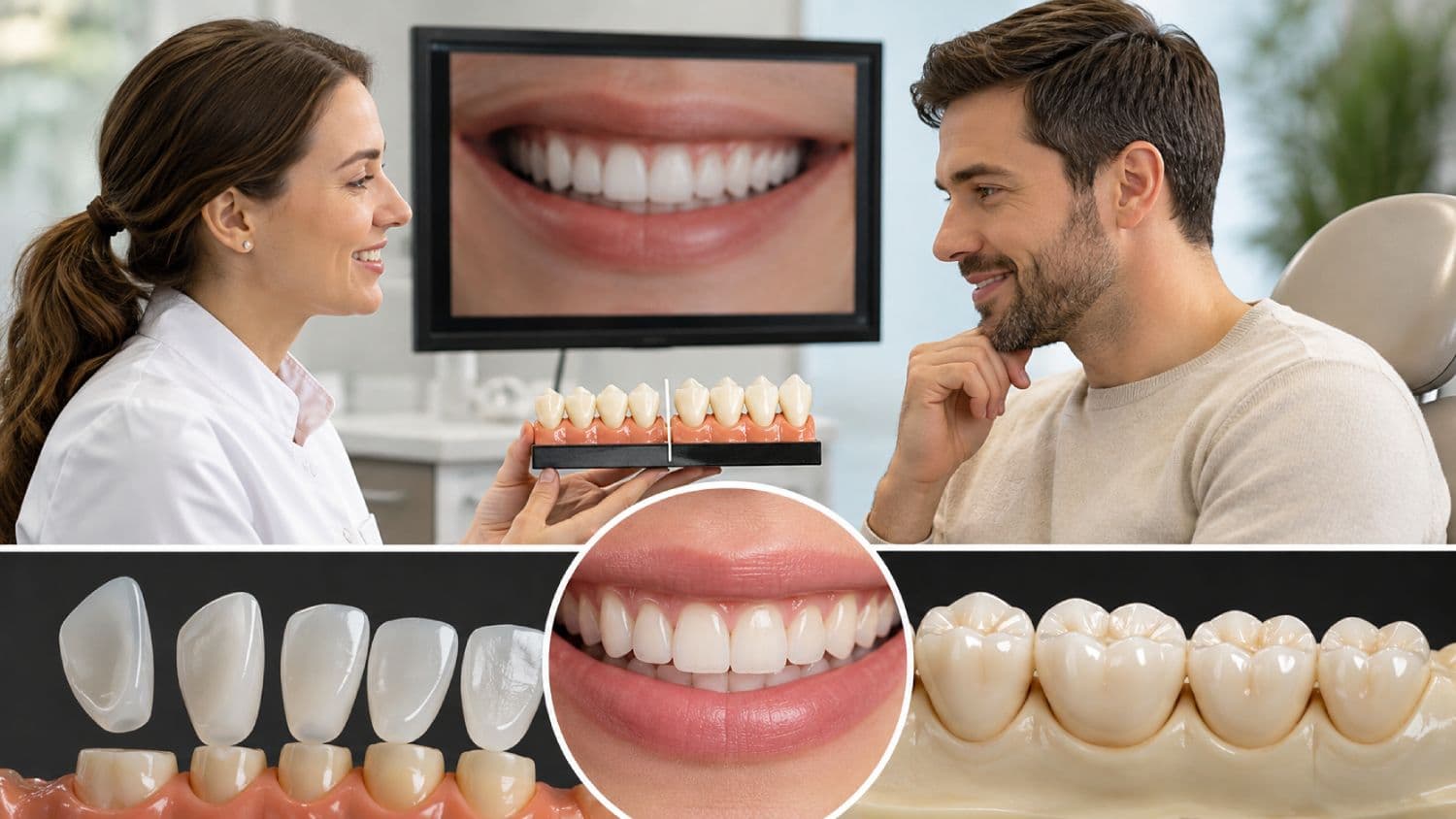
How to Plan a Natural-Looking Result
A natural-looking smile is not determined by shade alone. Very white restorations can still look artificial if they are too opaque, too uniform, too long, too wide, or too bulky.
Discuss the following before the final restorations are made:
- Brightness and shade
- Tooth length and width
- Edge shape
- Surface texture
- Translucency
- Small natural variations
- Gum levels
- Lip line and smile width
- Facial proportions
- Speech
- The way upper and lower teeth meet
Bring examples of smiles you like, but explain which features you like rather than asking for an exact copy of another person’s teeth.
A digital design, wax-up, mock-up, or temporary stage can improve communication. It may help you evaluate shape, length, speech, and overall direction before final placement. It is still a planning aid, not a guarantee that the final material, gums, bite, and biological response will look exactly like an image.
The Assessment That Should Happen Before Treatment
Remote photographs and video calls can support an initial discussion. They cannot provide a complete diagnosis.
A final treatment plan should normally consider:
Teeth and Existing Dental Work
The dentist should assess decay, cracks, wear, old fillings, previous crowns or veneers, root-canal-treated teeth, sensitivity, discoloration, available enamel, and the amount of sound tooth structure.
A remote estimate can change after examination or imaging. The quotation should explain what happens if the in-person findings differ from the preliminary plan.
Gums and Oral Hygiene
Active gum disease, bleeding, inflammation, infection, or poor plaque control can affect appearance, comfort, cleaning, and the stability of the result. Cosmetic restorations should not be used to cover untreated disease.
If gum treatment is required, the tissue may need time to stabilize before final margins and tooth proportions are confirmed.
Bite, Clenching, and Grinding
Heavy contacts, clenching, and grinding may contribute to wear, chipping, fracture, debonding, muscle discomfort, or repeated failures. These factors can influence material choice, preparation, tooth position, bite design, and the advisability of a protective appliance.
A night guard may reduce some mechanical exposure in selected cases. It cannot make an unsuitable plan risk-free.
Facial and Smile Analysis
Tooth color and shape should be considered alongside the lips, facial proportions, smile line, gum display, and the amount of tooth visible at rest and during speech.
Expectations
Explain what you want to change, what you do not want changed, how bright you want the result, and how much tooth preparation you would accept.
The consultation should also cover limitations. If the requested result would require excessive preparation, create an unstable bite, or produce proportions that do not fit the face, the dentist should explain safer alternatives.
Treatment Stages and How Long the Trip May Take
There is no universal Hollywood Smile timetable. The schedule depends on the diagnosis, number and type of treatments, laboratory stages, need for temporaries, requested changes, and whether preliminary care or biological healing is required.
Diagnosis and Final Treatment Plan
The first in-person stage should confirm oral health, bite, tooth condition, treatment options, materials, and a plan for each tooth. Clinically indicated radiographs or scans may be required.
Preliminary Treatment
Decay, gum disease, infection, failing restorations, whitening, orthodontic movement, root canal treatment, or other care may be needed before final cosmetic restorations.
Some stages can be completed during the same trip. Others should not be rushed.
Tooth Preparation, Scans, and Temporaries
When veneers or crowns are planned, the dentist prepares the agreed teeth and records their shape using scans or impressions. Temporary restorations may protect prepared teeth and help assess shape, speech, and bite while the final work is made.
Ask how temporary problems are handled between appointments and whom to contact if a temporary breaks or comes off.
Laboratory Work, Trial, and Final Placement
The final restorations should be assessed for fit, shade, contour, contacts, cleanability, and bite. Ask when requested changes can still be made and which changes would require laboratory remaking.
Do not allow a flight schedule to replace a necessary adjustment or review.
Review Before Departure
Before leaving, confirm that you can bite and speak comfortably enough for the stage of treatment, that you understand cleaning instructions, and that you have the required records and contact details.
A clinically appropriate schedule may be shorter or longer than an advertised package. Ask for a case-specific written timetable before booking non-refundable travel.
Risks, Maintenance, and Longevity
Cosmetic dental treatment can produce a meaningful improvement, but it also has limitations and risks.
Possible issues include:
- Temporary or persistent sensitivity
- Gum irritation or inflammation
- Bite discomfort
- Chipping or fracture
- A veneer or crown becoming loose.
- Color or shape dissatisfaction
- Visible margins
- Difficulty cleaning around bulky contours
- Gum recession
- Decay at restoration margins
- Wear of the opposing teeth
- Pulpal irritation or the later need for root-canal treatment
- Repair, rebonding, remaking, or replacement
Ceramic veneers can show high survival over many years in appropriately selected and treated cases, but no individual lifespan can be promised. Longevity depends on factors such as available enamel, preparation, bonding, material, laboratory quality, bite, grinding, hygiene, gum health, smoking, trauma, and maintenance.
Crowns and bonding also require monitoring. Composite may stain or lose polish. Ceramic can chip or fracture. Gums and neighboring natural teeth can change over time even when the restorations remain intact.
Ask what routine care is recommended, whether a protective appliance is indicated, how repairs are handled, and what future replacement may involve.
What Should an Itemized Hollywood Smile Quotation Include?
A useful quotation should name the diagnosis and treatment for every tooth. It should not rely on phrases such as “full set,” “premium package,” or “all-inclusive” without definitions.
Ask for written information covering:
- Examination and consultation
- Radiographs, scans, and photographs
- The exact treatment for every tooth
- Veneer or crown preparation design
- Material and relevant traceability information
- Number of restorations
- Temporary restorations
- Laboratory fees and trial stages
- Whitening
- Composite bonding
- Gum treatment
- Fillings, root-canal treatment, extractions, or orthodontics
- Anesthesia or sedation
- Bite adjustment
- Protective appliance
- Medication
- Follow-up visits
- Hotel and transport terms
- What may cost extra
- What happens if the final diagnosis changes the remote estimate
- Warranty conditions and exclusions
- Remedial treatment, local emergency care, and return-travel costs
The word “included” should mean that the item appears clearly in writing. The quotation should also explain which additional procedures require your separate consent before they are performed.
How to Choose a Provider in Turkey
Do not judge a provider solely by a low package price, social-media following, hotel offer, or dramatic before-and-after image.
Check:
- The identity and qualifications of the treating dentist
- The facility in which treatment will occur
- Who performs the examination and diagnosis?
- Who prepares the teeth?
- Who tries in, bonds, or cements the restorations?
- Who makes bite adjustments?
- Which laboratory produces the work
- Which materials are proposed
- How consent and alternatives are explained
- What records you receive
- How complications and complaints are handled
Before-and-after photographs may help you evaluate a provider’s aesthetic style, but they do not establish your candidacy or guarantee a similar result. Look for consistent proportions, margins, gum health, texture, and natural variation rather than brightness alone.
Clear communication is a clinical safeguard. You should be able to understand the diagnosis, alternatives, irreversible steps, limitations, total scope, and aftercare before treatment begins.
Planning Aftercare Before You Travel Home
Continuity of care should be agreed before you book treatment.
Before returning home, request:
- The final tooth-by-tooth treatment plan
- Procedure notes
- Relevant radiographs or scans
- Material and restoration records
- Details of any implants, grafts, or other devices
- Medication instructions
- Cleaning and dietary guidance
- Emergency contact details
- The planned review schedule
- Written warranty and remedial-care terms
Clarify which concerns can be reviewed remotely and which require an examination by a local dentist.
Seek timely local assessment for persistent or worsening pain, swelling, fever, bleeding, a bite that feels significantly wrong, a loose restoration, chipping, discharge, difficulty cleaning, or altered sensation. Do not delay urgent care while waiting for a remote response.
Ask who pays for:
- Local emergency assessment
- Temporary repair
- Permanent remedial treatment
- Replacement restorations
- Additional hotel nights
- Return flights
- Treatment when the problem is excluded from a warranty
A warranty is not the same as complete aftercare. It may exclude normal wear, grinding, accidental damage, gum or bone changes, local treatment, travel, or problems related to oral hygiene. Read the terms before treatment.
A Practical Decision Checklist
Before agreeing to a Hollywood Smile plan, ask:
- What dental problem are we treating?
- What is proposed for every tooth?
- Which teeth are healthy and untreated?
- Could whitening, bonding, or orthodontics achieve the goal with less preparation?
- Which teeth need veneers, and why?
- Which teeth need crowns, and why?
- How much tooth structure will be removed?
- What material will be used?
- Can I review a mock-up or temporary design?
- What result is realistic, and what is not guaranteed?
- What is included in the written price?
- What could change after the in-person examination?
- How long should I stay for my actual treatment stages?
- What records will I receive?
- What happens if I have a problem after returning home?
- Who pays for local care, return travel, or remedial treatment?
A confident decision should come from understanding the plan, not from being pressured by a package deadline.
Conclusion
A Hollywood Smile in Turkey can range from conservative whitening or bonding to a complex combination of orthodontics, veneers, crowns, gum treatment, and replacement of missing teeth. The label alone does not tell you what is suitable.
Start with diagnosis. Ask for the least invasive predictable option for each concern. Make sure veneers and crowns are clearly distinguished, understand any irreversible preparations, and compare the itemized scope rather than the headline price alone.
The strongest plan explains the treatment for every tooth, the expected appearance and limitations, what may cost extra, how long each clinical stage will take, which records you will receive, and who is responsible if a problem occurs after you return home.
Frequently Asked Questions
References
- American Dental Association MouthHealthy: Veneers
- American Dental Association MouthHealthy: Crowns
- NHS: Teeth whitening
- NHS: Orthodontics
- Long-term survival and complications of laminate veneers
- Influence of tooth substrate on ceramic veneer survival
- General Dental Council: Going abroad for dental treatment
- Republic of Türkiye Ministry of Health: Authorized international health-tourism providers
- GOV.UK: Türkiye health and medical-tourism travel advice
- NHS: Dental treatments