Best Dentist in Turkey: 7 Questions to Ask
Medically reviewed by Dr. Furkan Küçük · Last reviewed:
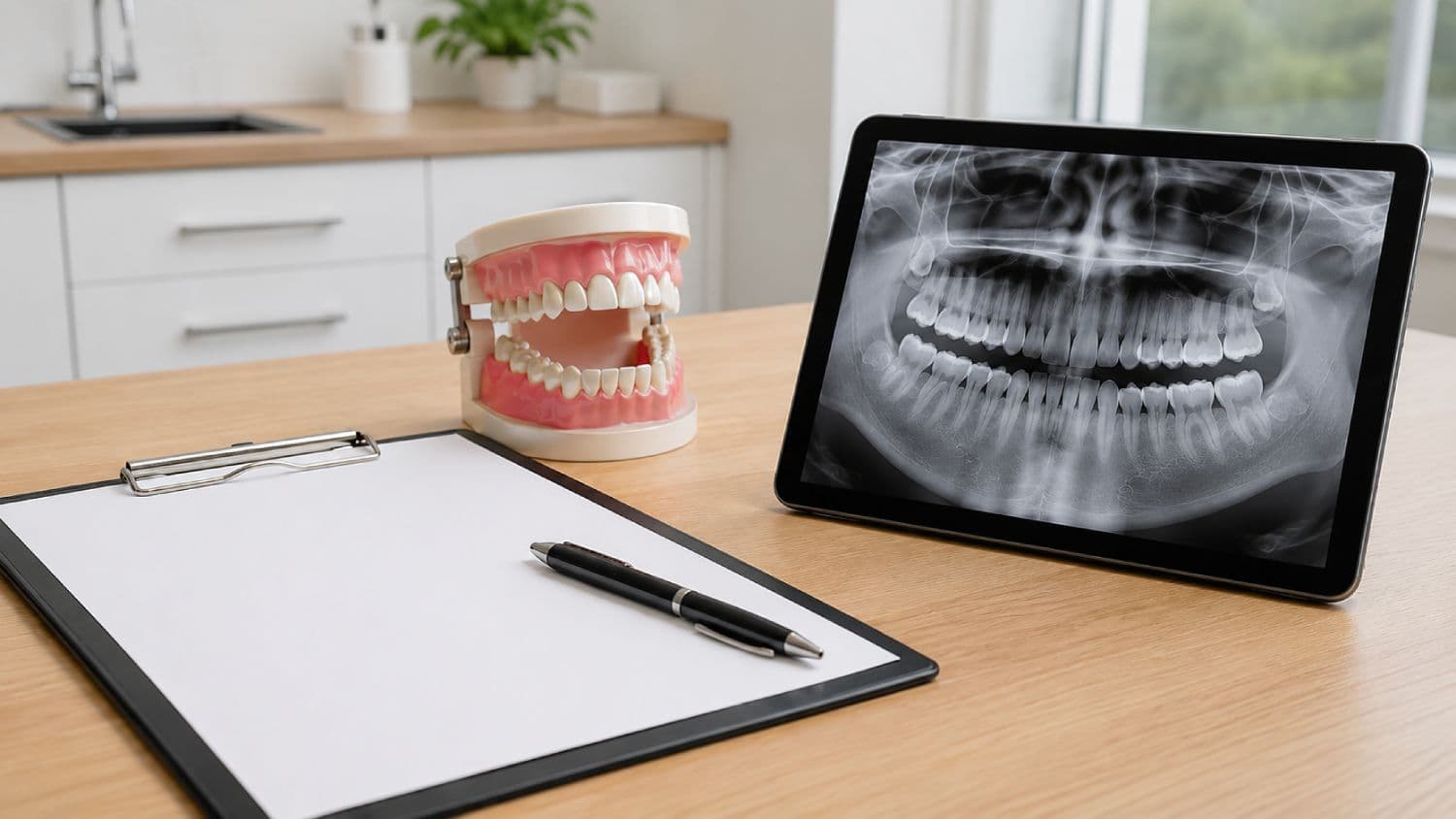
Searching for the best dentist in Turkey can quickly become confusing. One clinic promises a complete smile in a few days. Another offers a much lower price. Social media shows polished before-and-after photographs, but often tells you very little about how the treatment was planned.
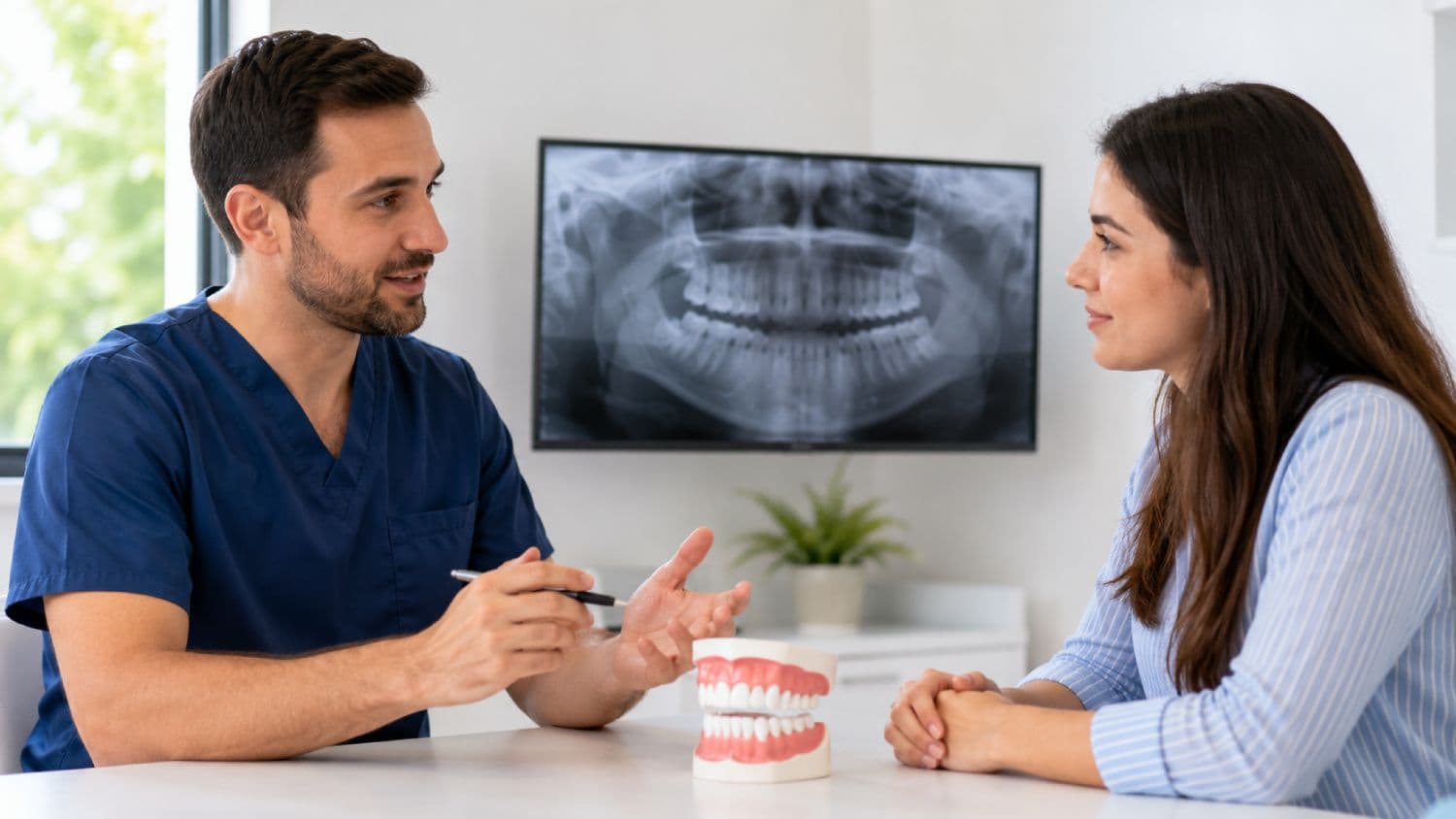
The honest answer is that there isn’t one dentist who is the best choice for every patient or every procedure. A clinician who is experienced in veneers may not be the right person for a complex full-arch implant case. Even a skilled dentist cannot recommend the right treatment without examining your teeth, gums, bite, and available X-rays or scans.
A better approach is to ask whether the dentist’s planning, communication, clinical judgment, and aftercare suit your situation.
The following seven questions will help you look beyond rankings, advertisements, and headline prices before you book dental treatment in Turkey. Use them to compare clinics and choose with more confidence.
1. Who Will Actually Examine and Treat You?
Ask this first so you know who is responsible for each stage of your care.
This sounds obvious, but it’s one of the most useful questions you can ask.
Some websites focus most of their attention on the clinic brand while giving limited information about who will examine you, prepare your teeth, place implants, or fit your final restorations. Before committing to treatment, know which dentist is responsible for each important stage.
Ask the clinic:
- Who will carry out my first clinical examination?
- Who will decide which treatment I need?
- Will the same dentist perform the main procedure?
- Who will check the fit, bite, and appearance of the final work?
- Who will review me if I have a problem after treatment?
You should also check that the dentist is licensed to practice in the country where treatment will take place. Qualifications and professional registration matter, but they are only part of the picture. You still need to know the dentist’s experience with the specific procedure you are considering.
For example, placing a single implant, planning twenty veneers, and treating severe upper-jaw bone loss are very different clinical tasks. The phrase “experienced dentist” is not specific enough on its own.
2. What Happens Before the Dentist Recommends Treatment?
Ask for the full diagnostic process before agreeing to any plan.
A responsible treatment plan begins with diagnosis, not with a package name.
Photographs and existing X-rays can help a dentist understand your concerns before you travel. They may also support an initial estimate. However, photographs cannot show everything a dentist needs to assess, including hidden decay, gum pockets, bite forces, cracks, infection, or the shape of the jawbone.
Your final plan may require:
- A discussion of your dental and medical history
- An examination of your teeth and gums
- Bite assessment
- X-rays
- Three-dimensional imaging when clinically indicated
- Evaluation of existing crowns, bridges, fillings, or implants
- A discussion of your goals and expectations
The dentist should explain what information is still missing and what may change after your in-person examination.
Be cautious when a clinic treats a remote quotation as a final diagnosis. A sensible estimate should leave room for findings that cannot be confirmed until you are examined.
3. Does the Dentist Explain More Than One Option?
Ask for every realistic option before you decide.
Good treatment planning is not simply about deciding what can be done. It also considers what should be done and whether a less invasive option is more appropriate.
Imagine that you are unhappy with the color and alignment of your front teeth. One plan might recommend veneers. Another might involve whitening, orthodontic treatment, composite bonding, or a combination of treatments.
The right choice depends on factors such as:
- The condition of your enamel
- Existing fillings or crowns
- Gum health
- Tooth position
- Bite forces
- Grinding or clenching
- The amount of change you want
- How much healthy tooth structure would need to be removed
Veneers cover the front surface of a tooth, while crowns cover more of the tooth structure. A crown may help restore a heavily damaged or weakened tooth, but it should not be treated as a routine cosmetic substitute for a veneer when a more conservative option is suitable. Veneer treatment is generally irreversible because some enamel may need to be removed.
The same principle applies to missing teeth. Depending on the case, options may include an implant, a bridge, a removable denture, or no immediate replacement. Dental implants require surgical placement and a healing process, while health conditions, smoking, bone conditions, and other factors may affect suitability and healing.
A trustworthy discussion should include the advantages, limitations, and trade-offs of the realistic alternatives, not only the treatment the clinic prefers to sell.
4. Can You Understand the Quotation?
Ask for a written plan you can compare clearly before you commit.
Two dental quotations can show very different totals while describing completely different treatment plans.
A low headline price may cover only the main restoration. A higher quotation may include diagnostics, temporary work, additional appointments, or a different material. Unless the quotation is itemized, you may not be comparing like with like.
Ask for a written plan that clearly identifies:
- The number of teeth being treated
- The number of implants, crowns, or veneers
- The proposed materials
- Temporary restorations
- Final restorations
- Diagnostic records and imaging
- Extractions, grafting, or gum treatment if needed
- Sedation, where relevant
- Laboratory stages
- The expected number of visits
- What is included in the quoted amount
- What could increase the final price
Travel costs should also be separated from dental costs. Accommodation, flights, local transport, meals, and time away from work can change the real cost of treatment abroad.
Use the treatment cost calculator as a starting estimate, not a final quotation. It can help you explore potential costs, but the final amount should be determined by an individual examination and treatment plan.
5. Do the Materials and Treatment Names Mean What You Think They Mean?
Ask what each name means for your case before you agree.
Material names can sound reassuring, but the material alone does not determine the quality of the result.
An E-max restoration, zirconia crown, or recognized implant system can still perform poorly if the case is planned incorrectly, the tooth is prepared unnecessarily, the bite is not adjusted, or the restoration does not fit properly.
Ask why a particular material has been recommended for your tooth and your clinical situation.
For cosmetic treatment, the dentist may need to consider:
- Tooth color and underlying discoloration
- Enamel thickness
- Gum position
- Lip line
- Tooth proportions
- Facial balance
- Bite and jaw movement
- Grinding habits
- The amount of translucency or opacity required
For implant treatment, material selection is only one part of the planning process. Implant position, bone support, gum health, prosthetic design, access for hygiene, and long-term maintenance also matter.
Treatment labels can also vary between clinics. “Hollywood Smile,” “full-mouth treatment,” and “All-on-4” do not always describe the same plan. One clinic may use a term for veneers, another for crowns, and another for a combination of treatments, so ask what each option includes and what it leaves out.
Ask for the clinical plan behind the name.
6. Do the Results Match Your Goals—or Just the Clinic’s Style?
Ask whether the clinic’s usual results match the look you want.
Before-and-after photographs can help you understand a clinic’s aesthetic style, but they should not be treated as a promise of your result. You can use the patient smile gallery to review examples while remembering that your treatment plan and outcome will be individual.
Look beyond whiteness.
Consider:
- Whether the teeth suit the patient’s face
- Whether the shapes appear individual or identical
- How the gum line looks
- Whether the teeth appear bulky
- Whether the smile looks natural when the lips are relaxed
- Whether the cases shown are similar to your starting condition
Ask whether the photographs show the dentist’s own patients and whether they represent similar treatments. A patient who needed minor veneer treatment is not a useful comparison for someone with missing teeth, advanced gum problems, or a complex bite.
Your dentist should also discuss the limits of treatment. Perfect symmetry is not always possible or natural. Shade selection should consider your skin tone, facial features, remaining teeth, and personal preference, rather than follow a single standard color for everyone.
Individual results may vary because every patient begins with different teeth, gums, bone, bite forces, and healing factors.
7. What Happens After You Return Home?
Ask about follow-up support before you travel.
Aftercare is not an optional extra. It is part of the treatment.
Before traveling, ask what will happen if you experience discomfort, a bite problem, a loose temporary restoration, swelling, or another concern after returning home. Find out who to contact, how quickly the clinic typically responds, and whether you may need to see a local dentist.
You should also request copies of relevant records, which may include:
- Your treatment plan
- X-rays or scans
- Implant details
- Material information
- Laboratory records where available
- Medication information
- Aftercare instructions
CDC guidance for people receiving treatment abroad recommends planning for possible complications, understanding follow-up arrangements, confirming which services are included, and obtaining records to support continuing care after returning home. It also notes that accreditation or certification can support your research but cannot guarantee a particular outcome.
NHS guidance on treatment abroad also recommends reviewing the risks of overseas treatment and arranging comprehensive travel insurance before traveling.
If a clinic gives little thought to what happens after your flight home, that is an important warning sign.
How Dr. Furkan Küçük’s Clinic Approaches Treatment Planning
Dr. Furkan Küçük’s clinic is located in Bakırköy, Istanbul, and treats both local and international patients.
The clinic’s approach begins with individual assessment rather than assuming that every patient with the same cosmetic concern needs the same procedure. Depending on the case, planning may involve examination, X-rays, digital records, or three-dimensional imaging.
For cosmetic treatment, planning may consider tooth condition, gum health, bite, facial proportions, tooth display, shade, and the amount of healthy tooth structure that can be preserved.
For implant treatment, the recommendation may depend on bone condition, gum health, infection, implant position, healing requirements, and the design of the final restoration.
Remote photographs and records can support an initial review, but the final recommendation may change after an in-person examination and appropriate imaging.
The aim is not to choose a treatment because it produces the most dramatic social-media transformation. It is to choose a plan that makes clinical sense for the individual patient.
Warning Signs to Notice Before You Book
No single warning sign proves that a clinic is unsafe. However, several unclear or overly confident answers should make you slow down and ask more questions.
Be cautious when:
- The clinic guarantees that you qualify before examining you
- The treatment plan is based only on photographs
- A price is promoted without an itemized quotation
- Healthy teeth are recommended for extensive preparation without alternatives being discussed
- Every patient appears to receive the same number of crowns or veneers
- Risks and limitations are dismissed
- Treatment is described as completely painless
- Implants are described as permanent or guaranteed
- The clinic promises an exact result from a reference photograph
- You cannot identify the treating dentist
- Aftercare is discussed only after payment
- You are pressured to pay a deposit immediately
A thoughtful clinic should be comfortable with informed questions. Clear answers are part of informed consent, not an obstacle to booking.
A Practical Checklist for Comparing Dentists in Turkey
Before choosing a dentist, make sure you can answer the following questions:
- Who is responsible for my diagnosis and main treatment?
- Has the dentist explained what cannot be confirmed remotely?
- What examination and imaging will be needed?
- Have reasonable alternatives been discussed?
- Is the quotation itemized?
- Are temporary and final restorations clearly distinguished?
- Do I understand the proposed materials and why they were selected?
- How many appointments or trips may be required?
- What could change after the in-person examination?
- What aftercare will be available when I return home?
- Will I receive my records and treatment details?
- Am I being given enough time to make the decision?
The best dentist in Turkey for your needs is not necessarily the person with the most followers, the lowest package price, or the brightest gallery. It is the dentist who examines the full clinical picture, explains the alternatives, sets realistic expectations, and provides a plan you can understand.
When you are ready to discuss your case, you can share your concerns and available dental records through the contact page. An initial review can help identify which information is still needed, but an examination is required before confirming a definitive treatment plan.